
Why This Matters
Billions of people still live without access to the Gospel.
Not because they are resistant — but because there is no local church, no Scripture in their heart language, and no one sent to walk with them.
Billions of people around the world live and die without meaningful access to the Gospel in their own language or culture. These communities — known as unreached people groups — have little to no local church presence and few opportunities to encounter Jesus in ways that can take root, endure, and multiply.
The Great Commission was not only a call to go everywhere, but to make disciples among every people group. Until that happens, the mission of the global Church remains unfinished.
The Great Commission is unfinished, not because the Church has failed, but because billions of people were born into places where the Gospel has never been made accessible in a way they could receive.
Dr. Ray Noah
Co-Founder of Petros Network
The World As It Is
What This Means in Practice
These communities face three critical gaps:
- No self-sustaining local church to provide discipleship and community
- No Scripture in their heart language for personal faith development
- Outside missionary support required for the Gospel to take root and spread
This isn’t about personal resistance to faith. It’s about structural access to the Gospel message.
The real problem is not openness or willingness. The problem is proximity to the Gospel.
Dr. Ray Noah
Quick Facts:
Unreached People Groups in 2025
| Metric | Data |
| Total people groups worldwide | 16,000+ |
| Unreached people groups | 7,000+ |
| People with little Gospel access | 3.5 billion |
| Percentage of world population | 44% |
| Christian resources directed to them | Less than 1% |
Source: Joshua Project, 2025
What Does "Unreached" Actually Mean? Breaking Down the Term
What Are Unreached People Groups? A Clear Definition
Unreached people groups are communities where fewer than 2% are Evangelical believers, fewer than 5% identify as Christian, and there is no indigenous church movement capable of reaching the community without outside support. Today, over 7,000 people groups representing 3.5 billion people remain unreached—not because they’re uninterested, but because they lack access to the Gospel in their heart language and culture.
Unreached vs. Unevangelized: What’s the Difference?
- Unreached = No access to a local church community or Scripture
- Unevangelized = Individuals who haven’t personally heard the Gospel
A person can be unevangelized in a reached area, but entire people groups remain unreached when there’s no church infrastructure.
Why “Unreached” Doesn’t Mean “Uninterested”
The term describes access, not attitude. These communities often have:
- Geographic isolation preventing missionary contact
- Linguistic barriers with no Bible translation
- Religious or political contexts that restrict Christian presence
- Cultural frameworks without Christian context
Most unreached people are not rejecting Jesus. They’ve never encountered Him in a way that fits inside their world.
Dr. Ray Noah
Where Do Unreached People Groups Live? Geographic Distribution
The 10/40 Window Concentration
The majority of unreached peoples live between 10 and 40 degrees north latitude, stretching from West Africa through Asia. This region contains:
- The highest concentration of non-Christian religions (Islam, Hinduism, Buddhism)
- The world’s most linguistically diverse areas
- Many countries with restricted religious freedom
Key Barriers to Gospel Access
- Geographic isolation: Mountain communities, island nations, remote tribal areas
- Language diversity: Over 7,000 languages, many without written Scripture
- Religious resistance: Dominant non-Christian worldviews with social pressure
- Political persecution: Government restrictions on Christian activity
The Biblical Foundation: Why Every People Group Matters
Jesus’ Specific Command
When Christ gave the Great Commission in Matthew 28:19, He commanded disciples to reach “all nations”—in Greek, panta ta ethne, meaning every people group defined by language, culture, and shared identity.
This wasn’t a geographic mandate alone. It was an ethno-linguistic mandate.
Jesus did not command us to go everywhere—He commanded us to reach everyone. And everyone belongs to a people group.
Dr. Ray Noah
The Scriptural Vision
Scripture consistently points toward a specific future:
After this I looked, and behold, a great multitude that no one could number, from every nation, from all tribes and peoples and languages, standing before the throne…
Revelation 7:9
The Missiological Principle
Why people groups, not just individuals?
- Faith spreads most effectively within cultural and linguistic communities
- Indigenous churches reach their own people far more sustainably than external missions
- Cultural translation of the Gospel produces deeper, lasting transformation
Dr. Ray Noah summarizes this principle clearly:
Outsiders may introduce the Gospel, but insiders are the ones God uses to multiply it.
Dr. Ray Noah
When the Gospel takes root in a people group’s own language and culture:
- Faith spreads naturally through existing relationships
- Discipleship addresses real cultural questions
- The church sustains itself without permanent outside support
- The Gospel transcends being seen as “foreign”
When the Gospel arrives only as a foreign message, it rarely lasts. When it comes through a people’s own sons and daughters, it multiplies.
Dr. Ray Noah
The Resource Gap No One Talks About
The Startling Disparity
While unreached peoples represent 44% of the world’s population, less than 1% of global Christian resources (funding, missionaries, church-planting efforts) are directed toward reaching them.
Where Resources Currently Go
The majority of Christian ministry infrastructure serves:
- Regions with established churches
- Areas with existing Scripture access
- Communities already integrated into global Christian networks
Why This Gap Exists
Not malice, but momentum:
- Established churches naturally invest in their own growth
- Serving already-reached areas feels more immediately fruitful
- Unreached work requires specialized training, language learning, and cultural adaptation
- The hardest-to-reach areas have the highest barriers and longest timelines
Unreached people groups remain unreached because no system is designed to advocate for them.
Dr. Ray Noah
The Call to Rebalance
This isn’t about guilt—it’s about completing the mission. The Church has excelled at depth in reached areas while breadth to unreached peoples remains the unfinished work.
Why Unreached People Groups Matter for the Church Today
1. God’s Redemptive Plan Is Comprehensive
From Genesis to Revelation, Scripture reveals God’s heart for all peoples. The blessing to Abraham was meant “for all the families of the earth” (Genesis 12:3). This isn’t secondary—it’s central to God’s mission.
2. Access to the Gospel Shouldn’t Depend on Birthplace
A person born in Seoul, São Paulo, or Seattle has abundant Gospel access. A person born in a remote Himalayan village, a Saharan nomadic community, or a Central Asian ethnic minority may have zero access. Geography should not determine destiny.
3. Indigenous Churches Create Lasting Transformation
External missionaries can plant seeds, but indigenous churches cultivate forests.
A church is not a service to be delivered. It is a seed designed by God to reproduce life in every culture.
Dr. Ray Noah
- Faith spreads naturally through existing relationships
- Discipleship addresses real cultural questions
- The church sustains itself without permanent outside support
- The Gospel transcends being seen as “foreign”
4. The Global Church Isn’t Complete Until Every People Has a Church
The body of Christ remains incomplete while entire communities lack representation. As long as people groups exist without a church, the Great Commission remains unfinished.
The Path Forward: How Transformation Happens
The question is no longer whether the work remains unfinished—but how transformation happens where the need is greatest.
This requires:
- Strategic focus on unreached peoples, not just unreached individuals
- Long-term commitment to Bible translation, church planting, and leadership development
- Indigenous partnerships that empower local believers to reach their own communities
- Resource reallocation toward the highest-need, lowest-access areas
The future of the Great Commission will not be determined by awareness alone, but by whether we are willing to align our responsibility with where access is lowest.
Dr. Ray Noah
Frequently Asked Questions About Unreached People Groups
Sources and Further Reading
Primary Data Sources:
- Joshua Project — Global people group data and definitions
- The Gospel Coalition — Why unreached people groups still matter
- Lausanne Movement — Global mission insights and strategy
Recommended Deep Dives:
- Let the Nations Be Glad by John Piper
- The Mission of God by Christopher J.H. Wright
- Perspectives on the World Christian Movement course
About Petros Network
Petros Network is a faith-based organization that partners with world-changers like you, to equip indigenous leaders to share, show, and spread the Good News of Jesus among their own people and end spiritual and physical poverty.
Last updated: January 2025 | Data sources: Joshua Project, Lausanne Movement
The Time is Now
People are coming to faith in large numbers
What these new believers need is a leader to disciple them.


Leaders are ready to be sent
God is calling local leaders to go.

Communities are open to the Gospel
This is a moment of extraordinary opportunity.
The harvest is not someday—it is now.
News & Stories
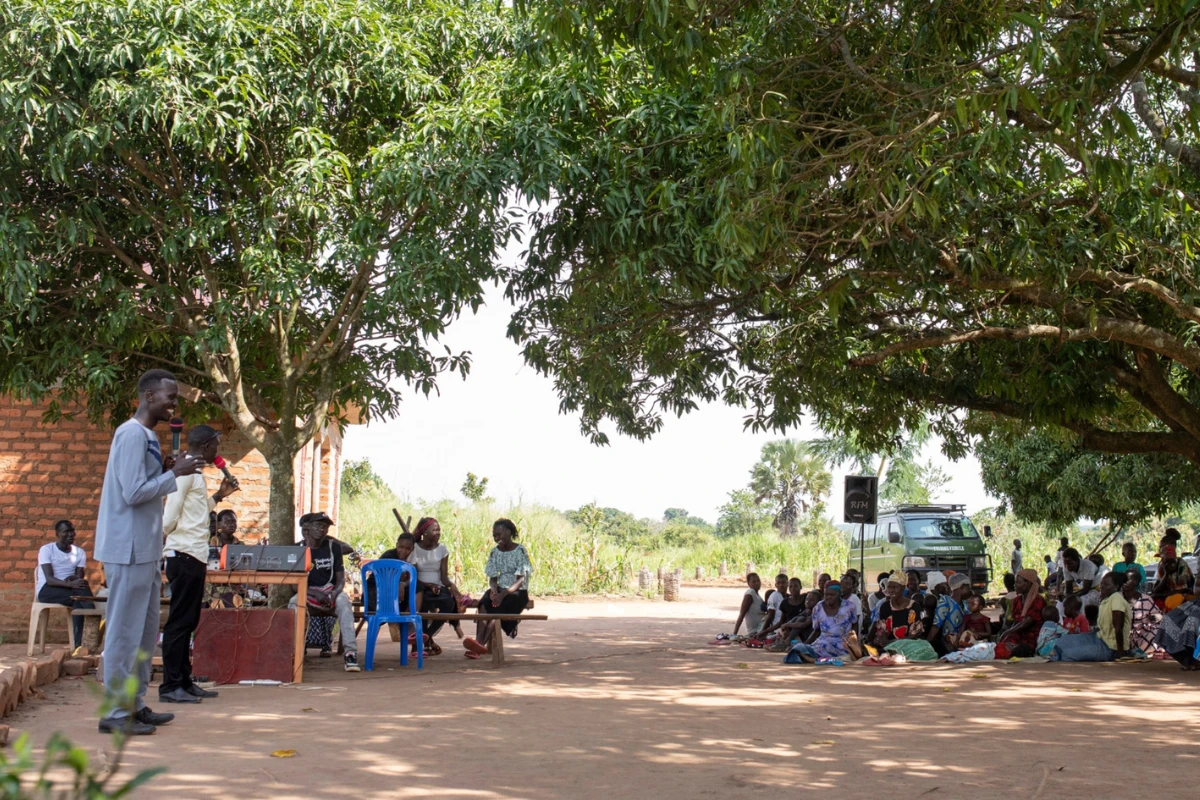
How One Local Leader Sparked Hope in His Village
A Burden Beneath the Acacia TreeWhen Pastor Danebe first gathered a few villagers beneath the shade of an acacia tree, he wasn’t starting a program—he was answering a burden. His community had no church, no trained leader, and no clear way to hear the Gospel in their...
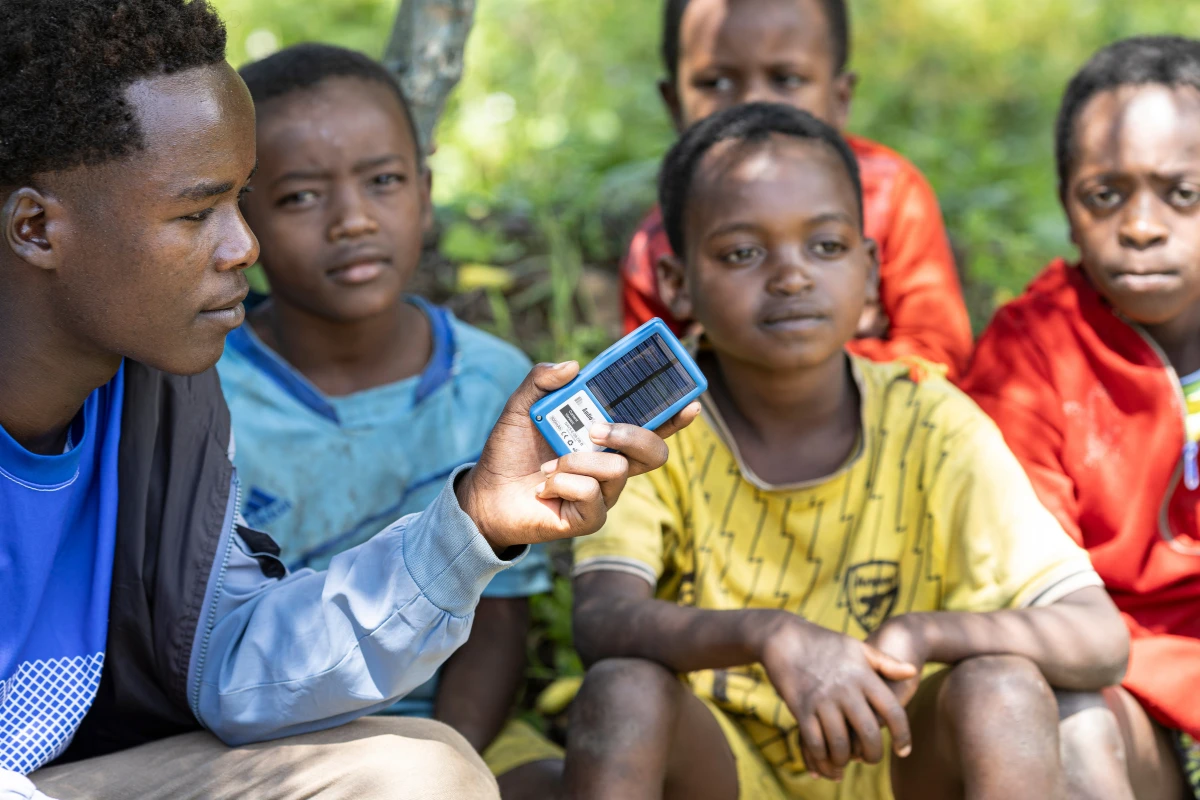
How Audio Bibles Overcome Literacy Barriers in Unreached People Groups
When Scripture arrives, transformation follows.How many Bibles do you own? The one on your nightstand. The study Bible on your shelf. Maybe one in your car. A digital version on your phone. Now picture this: One Bible. One entire church. That single Bible gets passed...
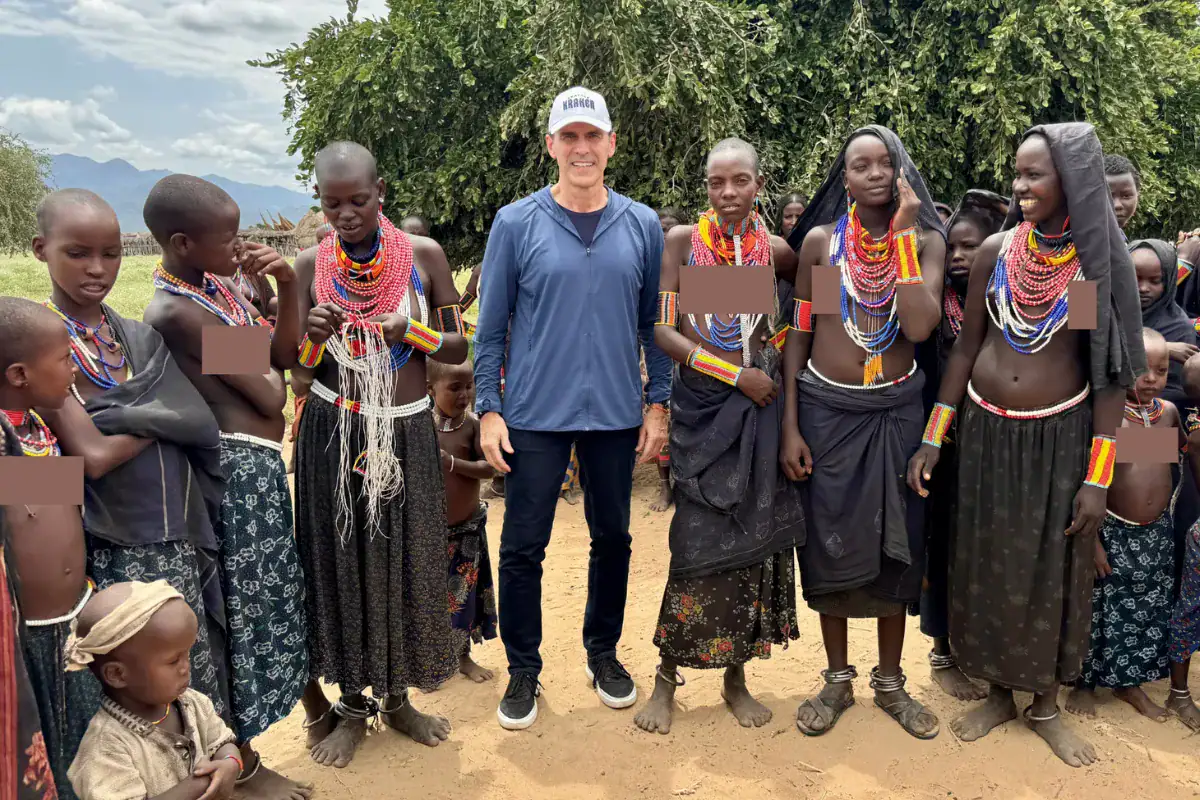
Indigenous Church Planting: How Petros Network is Transforming Remote Communities
"Petros Network is walking through one of the most fruitful seasons we've ever seen. Thousands are finding Jesus. Whole communities are experiencing transformation. And through it all, we are standing in the middle of God's will—completely in awe."RAY & LINDA...