
How Transformation Happens
A transformation that lasts is never accidental.
Across cultures and contexts, we see the same pattern repeat: when the Good news takes root through local leaders, communities begin to change from the inside out.
This is not a theory. It is the pattern we see working — again and again.
At Petros Network, we believe transformation happens when local leaders are equipped, churches are formed within culture, and the gospel is lived out in both word and deed—long enough for communities to take ownership and multiply hope themselves.
We call this Redemptive Lift. It’s not a program. It is a repeatable pattern of change that integrates spiritual renewal, leadership multiplication, and practical restoration over time.
Transformation Begins With Local Leaders
Why Indigenous Leadership Matters
Lasting change begins with people God has already placed within a community.
Local leaders:
- Know the language, culture, and history
- Carry trust that outsiders cannot import
- Remain present through resistance and hardship
“We’ve learned that the most sustainable movements are led by those who will stay,” says Dr. Noah. “This is not efficiency. It is faithfulness.”
The Gospel Is the Engine of Change
How the Good News Transforms Communities
At the center of transformation is the good news of Jesus Christ.
Where the Gospel is shared clearly and embodied faithfully:
- Identity is restored – people discover their worth in Christ
- Relationships are reconciled – forgiveness heals communities
- Hope takes root beyond circumstance – faith anchors resilience
In the Petros Network model, the Gospel is never separated from life. It is proclaimed, demonstrated, and lived within community.
When word and deed move together, transformation accelerates.
Churches Form as Hubs of Hope
The Role of Indigenous Churches in Community Transformation
As leaders are discipled and believers gather, local churches emerge—not as buildings, but as communities of faith.
These churches:
- Are rooted in local culture and language
- Disciple believers within daily life
- Raise new leaders from among their own people
“Healthy churches become hubs of hope,” notes Dr. Noah. “They’re spiritual, relational, and practical centers that anchor transformation in the life of the community.”
Churches are not the end goal. They are the means through which transformation remains and multiplies.
Discipleship Multiplies Transformation
From Dependency to Multiplication
Programs can introduce change. Discipleship sustains it.
As churches mature:
- Believers grow in faith and character
- Leaders raise new leaders
- Churches reproduce naturally
This multiplication is not forced. It flows from discipleship embedded in everyday life.
The result is not dependency—but local ownership and momentum.
Compassion Flows From Belonging
Integrated Development That Preserves Dignity
As churches take root, compassion follows naturally.
In the Petros Network model, compassion is:
- Locally discerned – communities identify their own needs
- Community-led – solutions come from within
- Integrated with spiritual formation – physical and spiritual renewal rise together
Needs such as food, water, education, and livelihoods are addressed within relationship, not as disconnected projects.
“This preserves dignity and strengthens resilience,” explains Dr. Noah. “When compassion is rooted in relationship, it transforms rather than creates dependency.”
Time Makes Transformation Durable
Why Long-Term Presence Matters
Transformation that lasts requires presence over time. Short-term interventions may relieve symptoms. Long-term accompaniment reshapes habits, systems, and hope.
Petros Network walks alongside leaders through:
- Early opposition
- Cultural tension
- Leadership fatigue
- Seasons of growth and pruning
Time allows churches to stabilize, communities to adapt, and transformation to endure.
The Redemptive Lift Pattern: Six Elements That Work Together
Across regions and cultures, we consistently see this pattern:
- Local leaders equipped – indigenous leadership is identified and trained
- Gospel shared and embodied – Good News proclaimed in word and deed
- Churches formed within culture – faith communities emerge organically
- Discipleship multiplies leaders – believers become disciple-makers
- Compassion restores dignity – practical needs met with relational integrity
- Time allows ownership – long-term presence creates sustainability
“This is Redemptive Lift,” says Dr. Noah. “Transformation that rises together, holds together, and lasts.”
From Theory to Practice
If this is how transformation happens, the next question is how it is applied with integrity, accountability, and care.
Theological Foundations
For those who want to explore the biblical and missiological foundations behind this model:
Frequently Asked Questions About Community Transformation
About Dr. Ray Noah
Dr. Ray Noah is co-founder of Petros Network and a missions strategist with decades of field experience in unreached contexts. His work focuses on indigenous church planting movements and sustainable community transformation.
About Petros Network
Petros Network is a faith-based organization that partners with world-changers like you, to equip indigenous leaders to share, show, and spread the Good News of Jesus among their own people and end spiritual and physical poverty.
The Time is Now
The need is urgent. Life is hard in these communities. Time matters.
People are coming to faith in large numbers
What these new believers need is a leader to disciple them.


Leaders are ready to be sent
God is calling local leaders to go.

Communities are open to the Gospel
This is a moment of extraordinary opportunity.
The harvest is not someday—it is now.
News & Stories
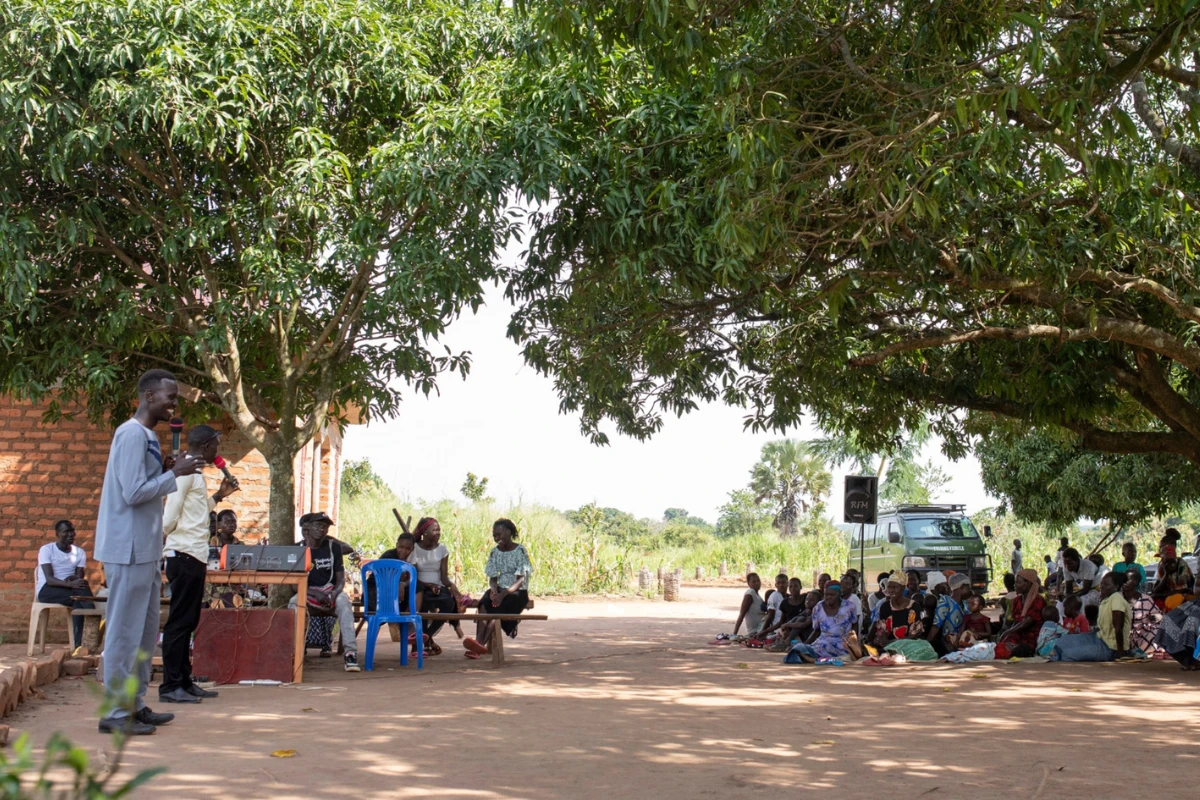
How One Local Leader Sparked Hope in His Village
A Burden Beneath the Acacia TreeWhen Pastor Danebe first gathered a few villagers beneath the shade of an acacia tree, he wasn’t starting a program—he was answering a burden. His community had no church, no trained leader, and no clear way to hear the Gospel in their...
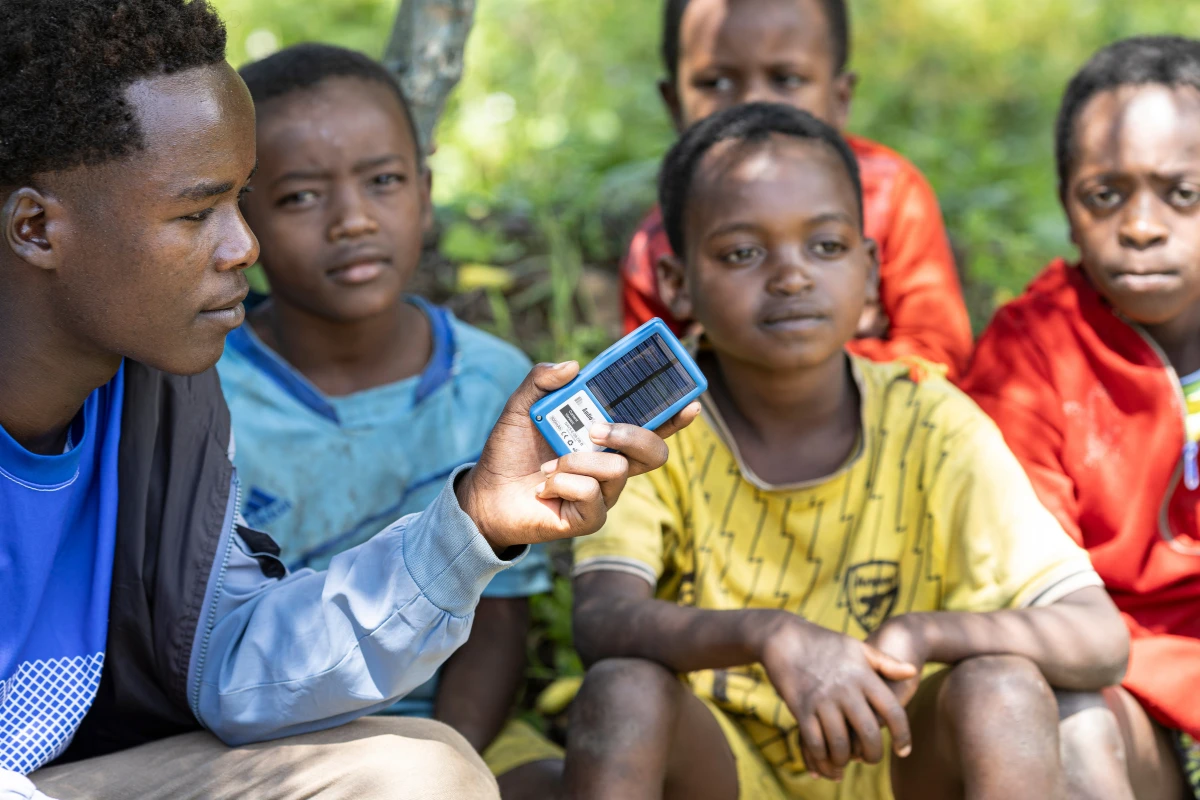
How Audio Bibles Overcome Literacy Barriers in Unreached People Groups
When Scripture arrives, transformation follows.How many Bibles do you own? The one on your nightstand. The study Bible on your shelf. Maybe one in your car. A digital version on your phone. Now picture this: One Bible. One entire church. That single Bible gets passed...
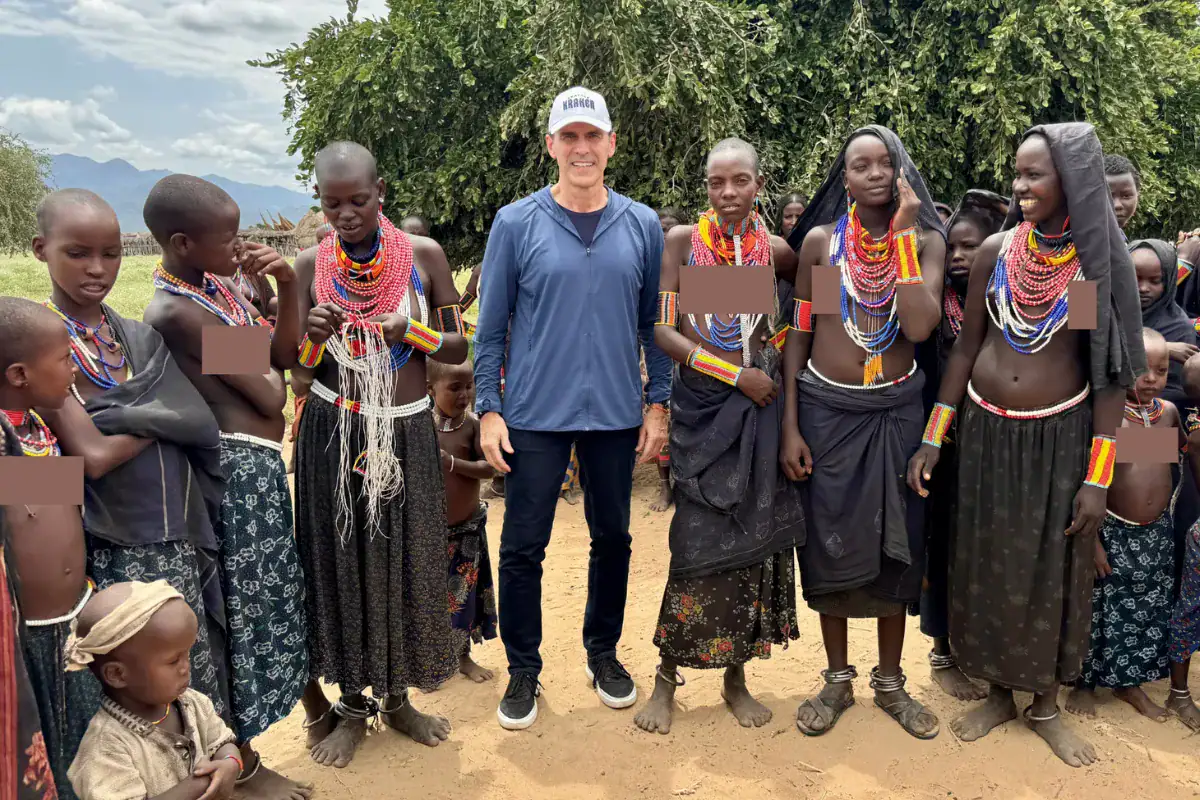
Indigenous Church Planting: How Petros Network is Transforming Remote Communities
"Petros Network is walking through one of the most fruitful seasons we've ever seen. Thousands are finding Jesus. Whole communities are experiencing transformation. And through it all, we are standing in the middle of God's will—completely in awe."RAY & LINDA...