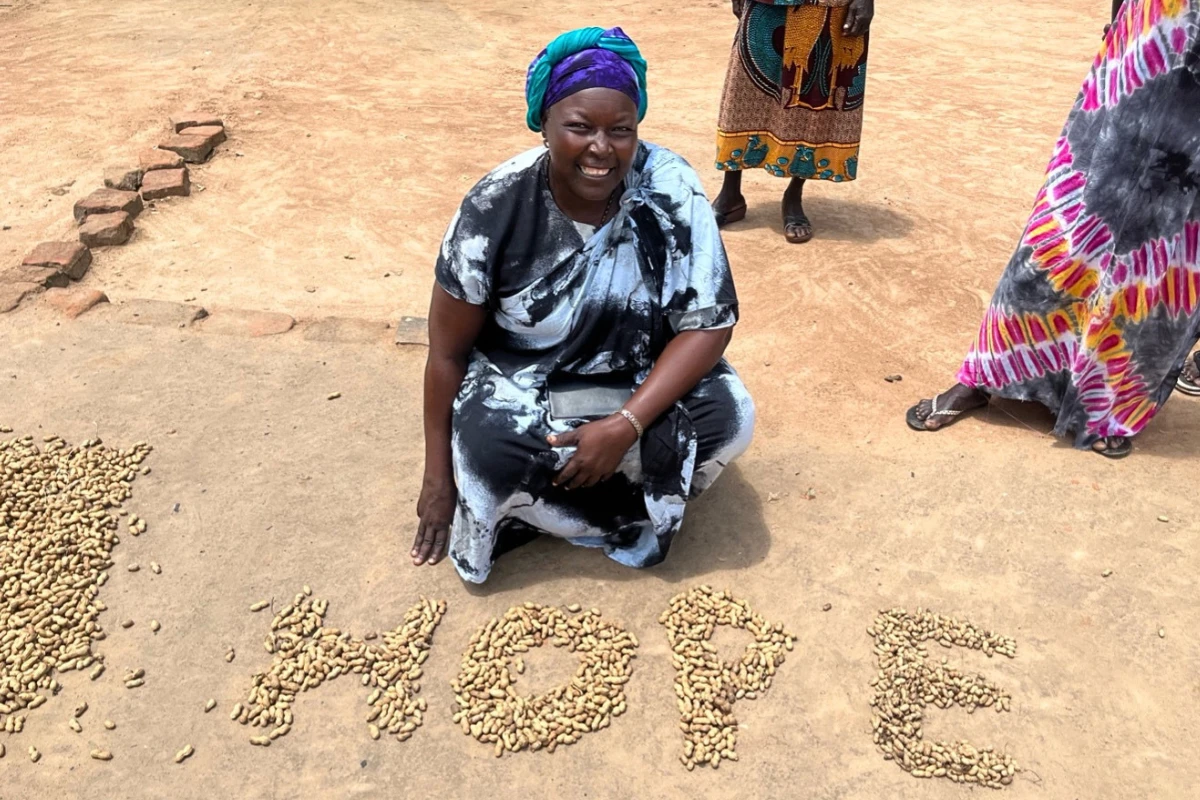
"Sometimes the smallest victories hold the deepest meaning."—Linda Noah, Executive Director In Torit, South Sudan, our team at Petros Network is witnessing something sacred—a miracle drawn not just from deep aquifers, but from deep wells of generosity and faith. Let...

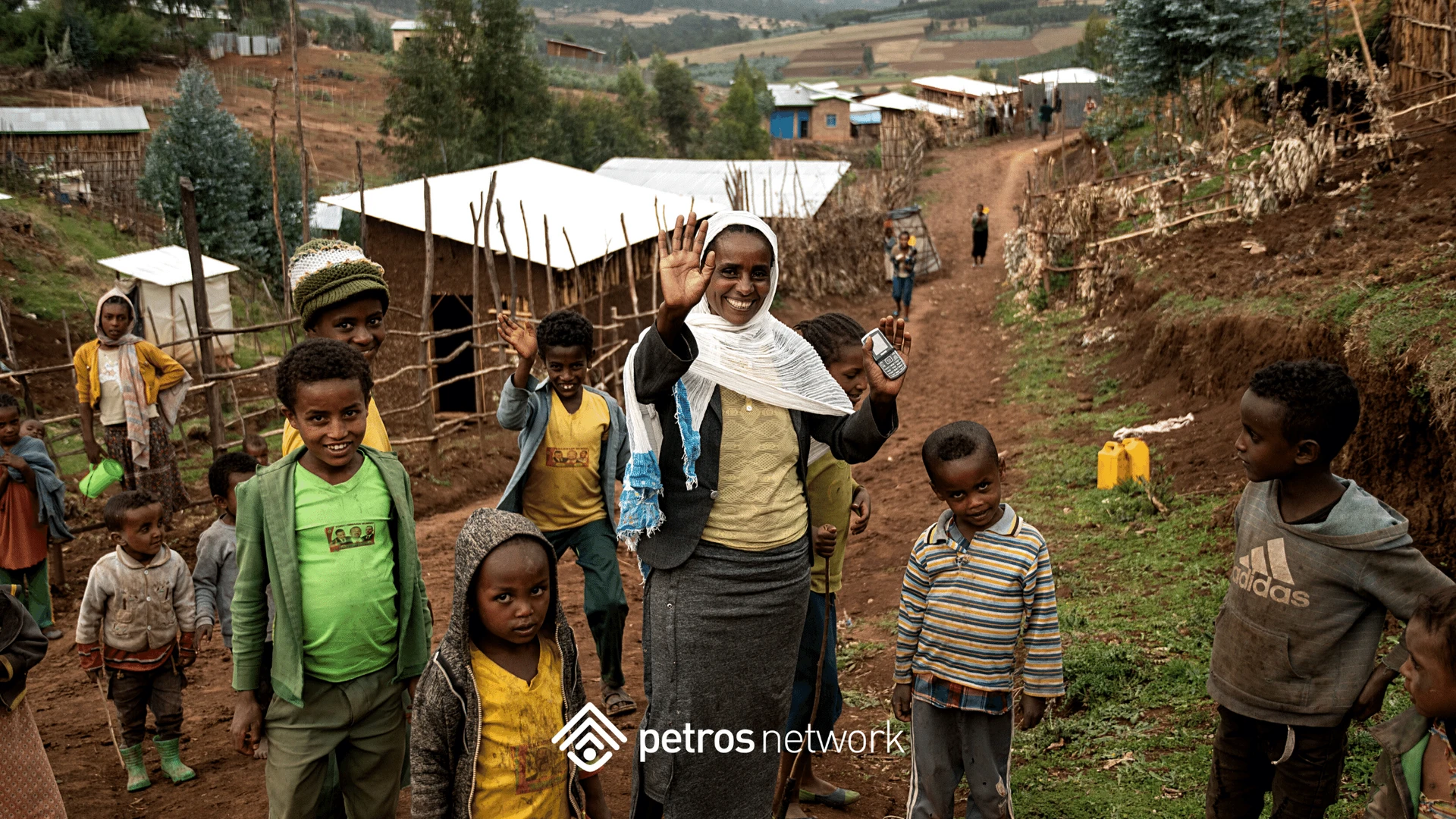
For more than two decades, Petros Network has been refining a methodology for training indigenous Christian leaders to plant churches in unreached communities. One of the organization’s strongest partnerships has been with the Ethiopian Evangelical Church Mekane Yesus (EECMY)—the world’s largest and fastest-growing Lutheran denomination.
This partnership demonstrates an effective model for 21st-century missions: local leaders equipped to reach their own people, creating churches that transform entire communities both spiritually and economically.
A Growing Partnership for Church Planting
The Ethiopian Evangelical Church Mekane Yesus is strongly committed to historic, orthodox Lutheran doctrine. Through its partnership with Petros Network, the denomination has trained and deployed dozens of church planters to unreached areas in the Horn of Africa.
Petros Network works with a range of denominations within the orthodox doctrinal boundaries of the World Evangelical Alliance Statement of Faith. The organization’s proven methodology focuses on equipping indigenous leaders to plant self-propagating, denominationally connected, socially transformative, and financially self-sustaining congregations.
Ethiopian Context
- Population: 130+ million (second most populous nation in Africa)
- Religious Diversity: Significant Muslim population and traditional religion adherents
- Challenge: Many areas without evangelical Christian witness
- Impact: Extreme poverty and recent civil conflict
The partnership between Petros Network and Mekane Yesus Lutherans demonstrates a multiplication model where trained indigenous leaders plant churches that become what the organization calls “Community Hubs of Hope”—centers that address both spiritual and physical poverty through what Petros Network terms “Redemptive Lift.”
Indigenous Leadership and Sustainable Church Planting
Several key principles distinguish this church planting approach:
Core Principles
Indigenous Leaders: Local believers are trained to reach their own people, eliminating cultural and language barriers that often hinder cross-cultural missions.
Denominational Connection: Churches maintain connection to EECMY structure, providing accountability and ongoing support.
Holistic Approach: Gospel proclamation is paired with community development, addressing both spiritual and physical poverty.
Self-Sustainability: Time-limited support leads to financial independence, avoiding long-term dependency on external funding.
Multiplication Model: Each church planter plants an average of 2.5 churches, creating exponential growth.
This indigenous approach addresses common challenges in cross-cultural missions. With cultural and language barriers eliminated, the Gospel witness is more credible within existing social structures. Churches remain sustainable without ongoing Western funding and naturally multiply as locals train others.
Understanding the Ethiopian Context
Historical Background
Ethiopia’s recent history significantly shapes current ministry challenges. The Marxist Derg regime ruled from 1974 to 1991, implementing heavy-handed religious persecution. The EECMY’s top leader, Gudina Tumsa, was imprisoned and killed during this period. Tumsa has been called “the Ethiopian Bonhoeffer” for his resistance to the regime’s oppression.
Though religious freedom was restored after 1991, challenges remain for church planters serving in rural and isolated communities.
Current Realities
Church planters face several significant obstacles:
- Economic Hardship: Extreme poverty in rural areas makes basic survival difficult
- Civil Conflict: Recent unrest has disrupted communities and created insecurity
- Discrimination: Anti-Christian bias in some regions blocks employment opportunities
- Physical Isolation: Long distances between villages and limited transportation
- Religious Context: Work among Orthodox Christians, Muslims, and traditional religion practitioners
Funding Challenges
In recent years, the EECMY faced significant funding challenges. USAID pulled back from certain impoverished areas of Ethiopia. Additionally, the EECMY made a principled decision to end partnerships with Western Lutheran denominations that adopted liberalized approaches to scriptural authority and same-sex marriage. This stand on biblical orthodoxy resulted in substantial economic losses but demonstrated the denomination’s commitment to its doctrinal foundations.
The Theological Framework
The church planting partnership rests on clear biblical and theological foundations:
“How then will they call on him in whom they have not believed? And how are they to believe in him of whom they have never heard? And how are they to hear without someone preaching? And how are they to preach unless they are sent?”
Romans 10:14-15b (ESV)
“For neither you nor I could ever know anything of Christ, or believe on Him, and obtain Him for our Lord, unless it were offered to us and granted to our hearts by the Holy Ghost through the preaching of the Gospel.”
Martin Luther, Large Catechism, Article III
“Go, therefore, and make disciples of all the nations, baptizing them in the name of the Father and the Son and the Holy Spirit, teaching them to follow all that I commanded you; and behold, I am with you always, to the end of the age.”
Matthew 28:19-20
(NASB)
Leadership Perspective
“The Ethiopian Evangelical Church Mekane Yesus is profoundly grateful for our partnership with Petros Network, which has been instrumental in helping us advance God’s Kingdom and make disciples among unreached people groups. A great need remains, especially among those who have not yet heard the Good News, including many Muslims and practitioners of traditional religions.”
Rev. Wagnew Andarge
President, North Central Ethiopian Synod, EECMY
Stories from Church Planters
The following testimonies come from Mekane Yesus Lutheran church planters currently serving in the Horn of Africa. Names have been changed where necessary for security in areas with persecution.